We don't just get your fleet connected — we give you the controls
An installer mounts the antenna and leaves. PescaSat coordinates that installation and is then your single point of contact: the fleet is run from a dashboard with nine functions (as of 09/2026) that comes with the service and isn't sold separately. It's the difference between an antenna on each boat and a fleet managed from ashore. What the dashboard doesn't do today: switch between links on its own when one drops.
01
One pool of data for the whole fleet
The monthly allowance of several contracts is merged into one shared pool: the boat in lay-up this month lends its headroom to the one on the Great Sole. You stop paying for extra data on some while gigabytes go unused on others. It needs a pool-type account, which we set up and maintain; you view it.
02
Pause the contract during closed seasons
If a vessel is tied up for a whole month — closed season, refit, winter lay-up — the contract pauses for that month and the next invoice credits it. It works in whole months against an annual allowance of paused days, so you plan it with the fleet calendar, not trip by trip.
03
Know before the invoice arrives
Email alerts when usage reaches the percentages you choose, to whoever you choose: the skipper, the chief engineer or the office. Set thresholds above 100% to know when a vessel is already into extra data.
04
Where each vessel is, with no extra hardware
The terminal reports its own position, so the map works without installing anything else: the whole fleet and the route history for the last few days. The position is the centre of the coverage cell, not a GPS fix, and carries no heading or speed; for that, and for alert zones, you need AIS, which is a separate product.
05
Split traffic across the links you already have
The on-board router groups devices by zone — bridge and engine room, crew, visitors — and decides what goes out through which link. Inshore you can share the load between satellite and 4G instead of leaving one idle, and change that split remotely when the situation changes, with no visit on board. Automatic failover when a link drops is not in production yet; load sharing is.
06
Where the data goes, device by device
Today you know what the whole boat used. This breaks it down by device, by zone and by type of use, so "who ate the 200 GB on the trip?" stops being an argument in the mess and becomes a report. It also shows what's being used with nobody on it: updates, automatic backups and high-resolution video.
07
Speed per mess and per station, and the bridge always online
Speed is assigned per user or per zone and the link is shared fairly when several are connected. In practice, VMS, ERS, the mail to the market and the phone line don't drop because half the crew is watching the match. And the skipper can cut crew Wi-Fi during hauling.
08
Cybersecurity on board, not just a Wi-Fi password
Every vessel runs its own firewall and a private VPN tunnel back to our systems, so management traffic never crosses the open internet. The network is split into zones — bridge and engine room, crew, visitors (inspector, observer, owner) — each with its own rules, so whatever happens on the crew Wi-Fi can't reach the equipment that keeps the vessel running. An infected phone in the mess stays in the mess.
09
What can be opened on board, and when
The same firewall decides what gets through: whole categories blocked — adult content, gambling, social media, downloads — or only the essentials open. You set which devices get a connection and during which hours, zone by zone: shut crew Wi-Fi during the haul without touching the bridge. And it can't be bypassed by changing the DNS on a phone: name resolution is forced through ours.
The cost of a badly connected fleet never shows on an invoice
But it's there, and it's paid every month
You pick the port to land in without knowing today's price
The skipper calls on the sat phone, gets someone or doesn't, and the decision to land here or there is made on yesterday's price. By the time you're in, the market has moved. Over a trip that's thousands of pounds that never appear on any bill.
When the VMS drops out, the problem is yours, not the system's
The rules demand continuous position reports. When the link fails, you're the one explaining it to the inspector, not the provider. And the e-logbook ends up filled in by hand in port, with the errors that brings.
Good crew leave for the boat that has Wi-Fi
In a trade short of skilled hands, being able to call home on a twenty-day trip stopped being a perk. It's one of the reasons a crew stays or moves to another boat.
You pay dearly for megabytes from a fifteen-year-old system
Iridium by the minute, a VSAT with a high fee and a thin pipe, and mobile data when there's coast. Three bills for a connection that won't carry a video call.
What changes
What you already do, without waiting for coverage
The market, the office and home, from the grounds
Landing price, updates to the office and a call home on the same trip. Video calls, messaging and email without dropouts from any fishing ground.
VMS and e-logbook transmitting for the whole trip
The transponder and the ERS software are yours; the link is what keeps them sending, compliance traffic ahead of crew traffic. Fewer signal-loss proceedings, and "we had no coverage" stops being the cause.
The logbook sent before you reach port
Electronic logbook, prior notification and market data as they happen, not on the quay. Less paper in port and fewer transcription errors.
Today's weather model, not the one from departure
High-resolution models and operational oceanography updated on board. Safety and routing decisions on today's data.
Crew that stays
Personal Wi-Fi on board for the whole trip. In a trade with no one coming up behind, it's one of the reasons a skilled hand stays on your boat rather than someone else's.
What you pay for comms today, side by side
Fleets we analyse tend to arrive with three bills: a VSAT with a high fee and a thin pipe, a satellite phone billed by the minute, and mobile data near the coast. We put the three items in one table next to what low-earth orbit would cost with your vessels' real usage. Sometimes it doesn't add up — and we tell you that too.
Connectivity for every type of fishing vessel
Inshore, offshore, trawl and seine, commercial fleet: what each one needs from the link, and what it doesn't.
Inshore fishing
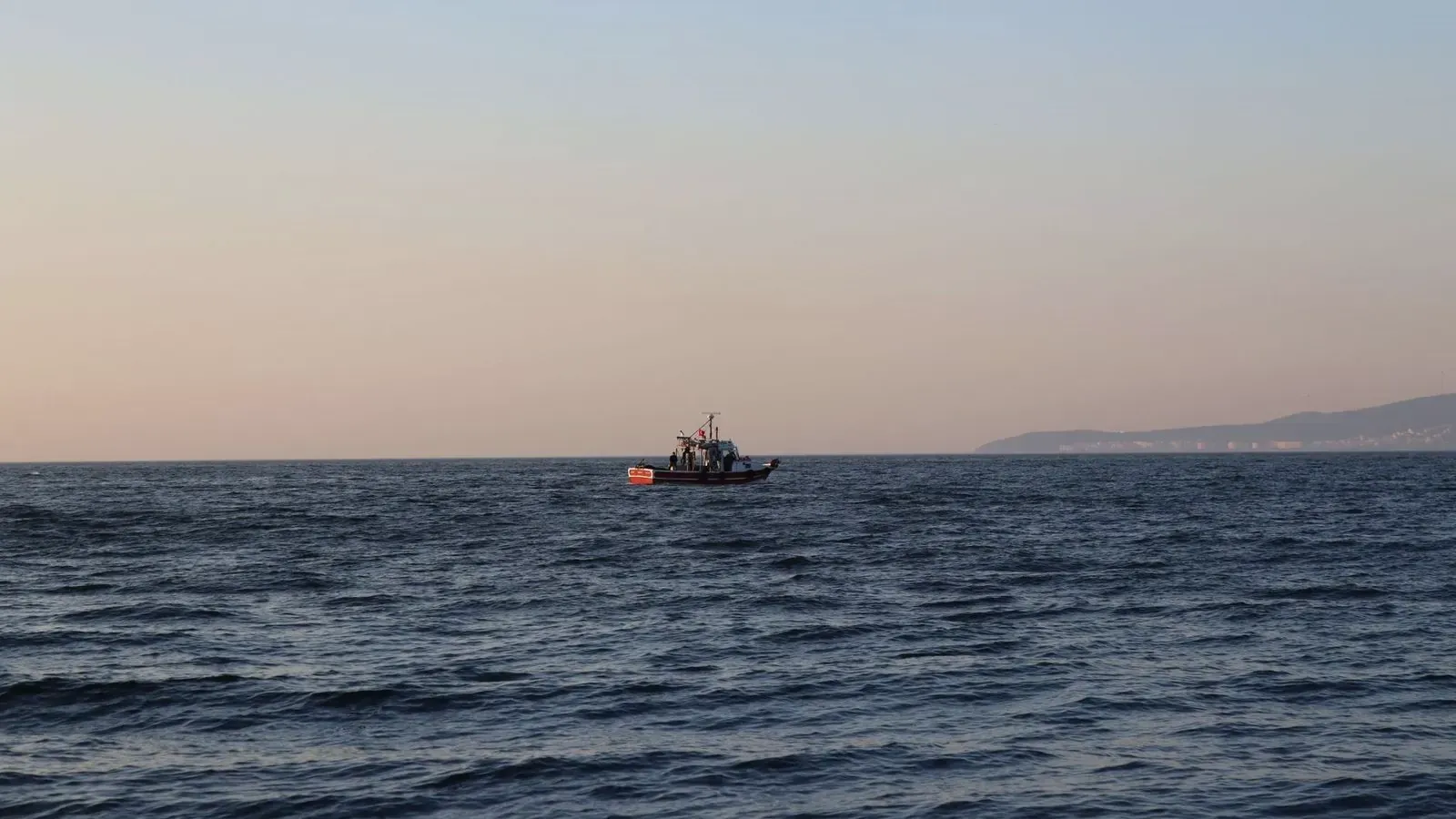
Boats under 12 m and small-scale gear that land the same day or stay out a night: market, weather, office and home; and from 2028, tracking and a simplified e-logbook below 12 m too.
Live market prices
Today's forecasts
Contact with the office and home
VMS or tracking, by length and flag
Offshore and distant-water fishing
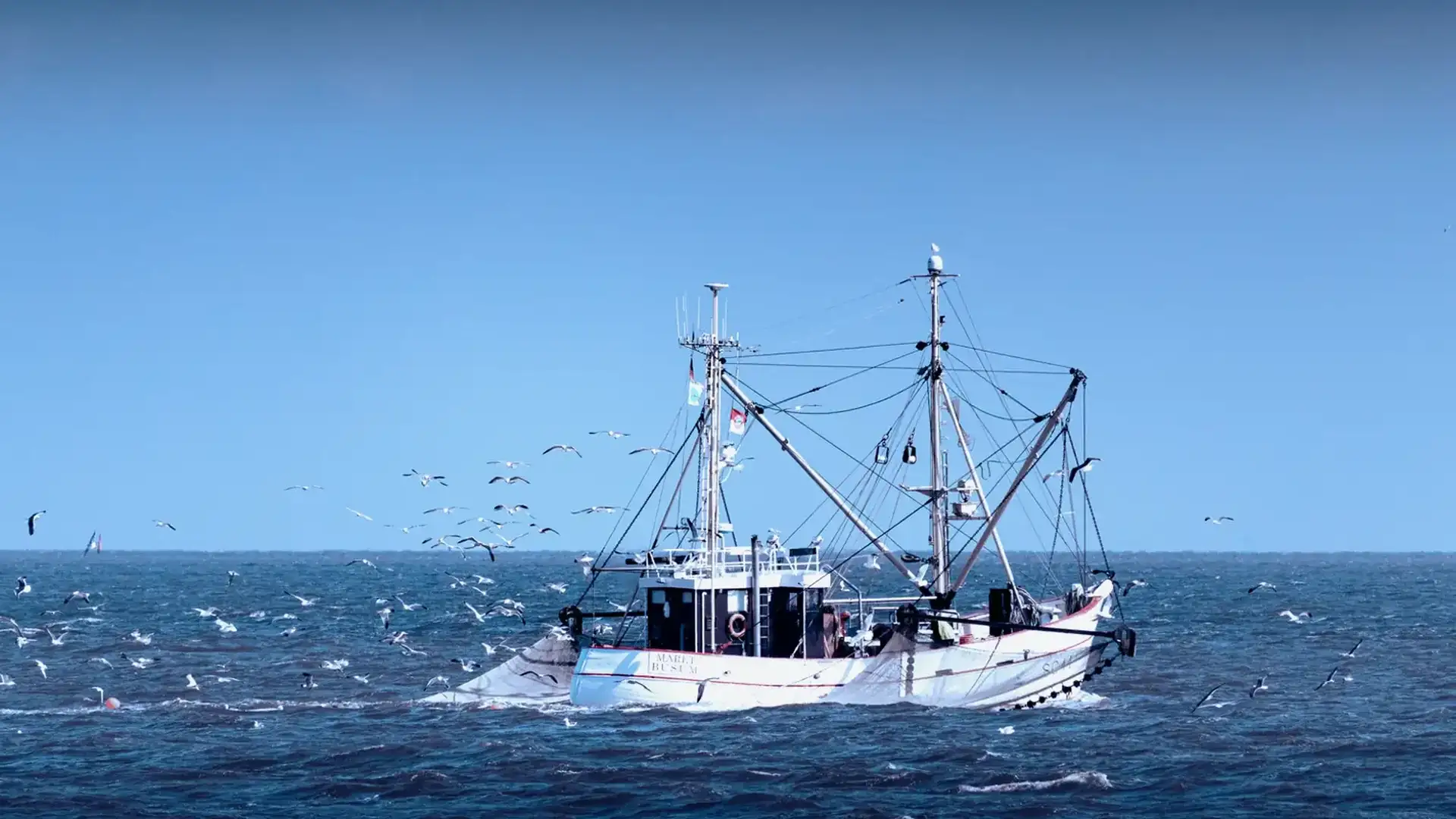
Trips of 10 to 45 days on Great Sole, Mauritania, the Falklands or the Grand Banks: the link carries VMS, ERS, ocean weather and the lives of a crew of 10 to 25.
VMS and ERS transmitting for the whole trip
Prior notification and logbook sent from sea
Contact with the owner and the market
Crew Wi-Fi on long trips
Trawler and purse-seiner fleets
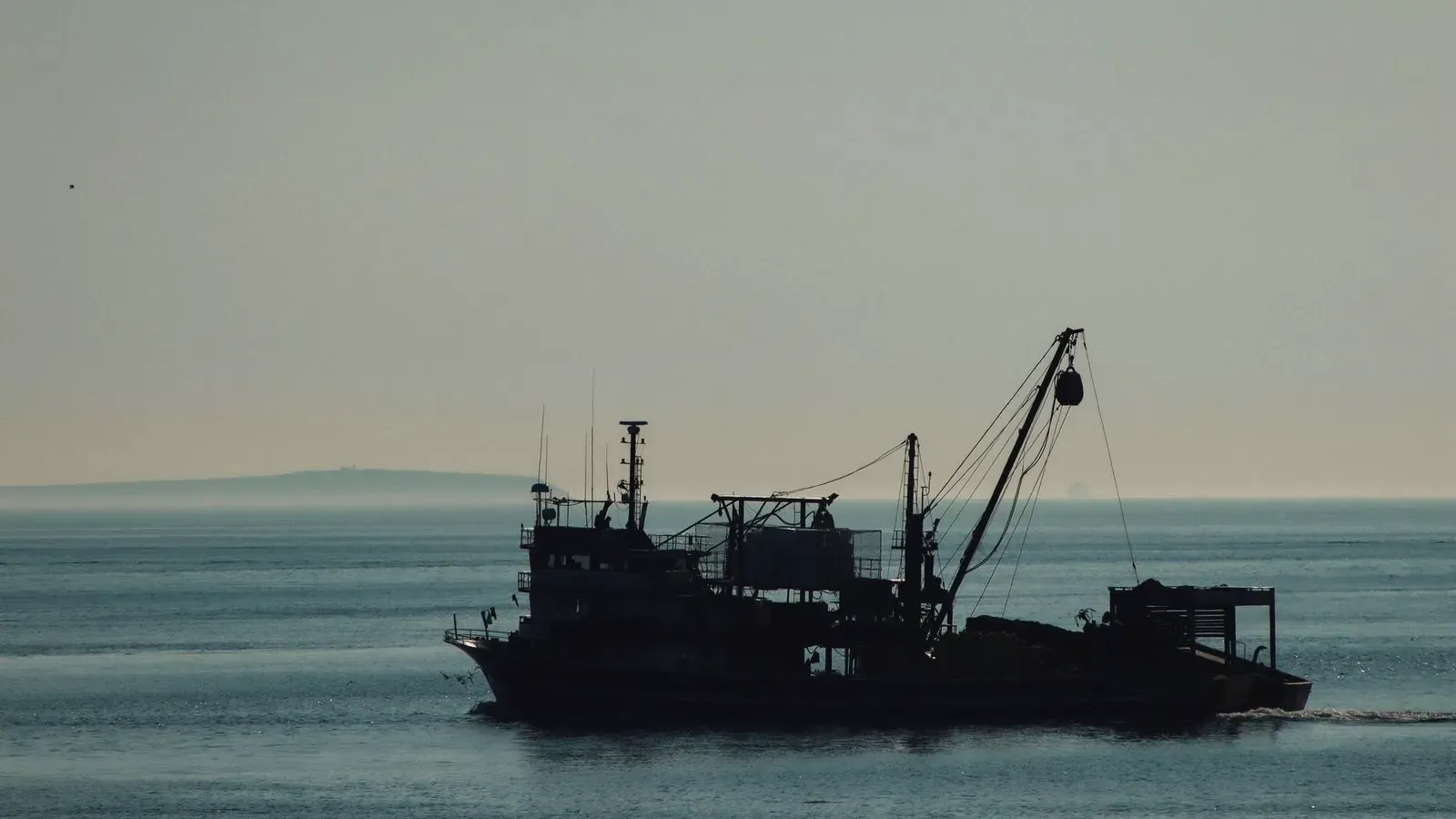
Boats working as a group: coordination between hulls and with the owning company, with each vessel's usage and alerts on one dashboard.
Vessel-to-vessel coordination
Live catch data
Today's weather and oceanography
Usage and alerts per vessel from the dashboard
Commercial and offshore fleet
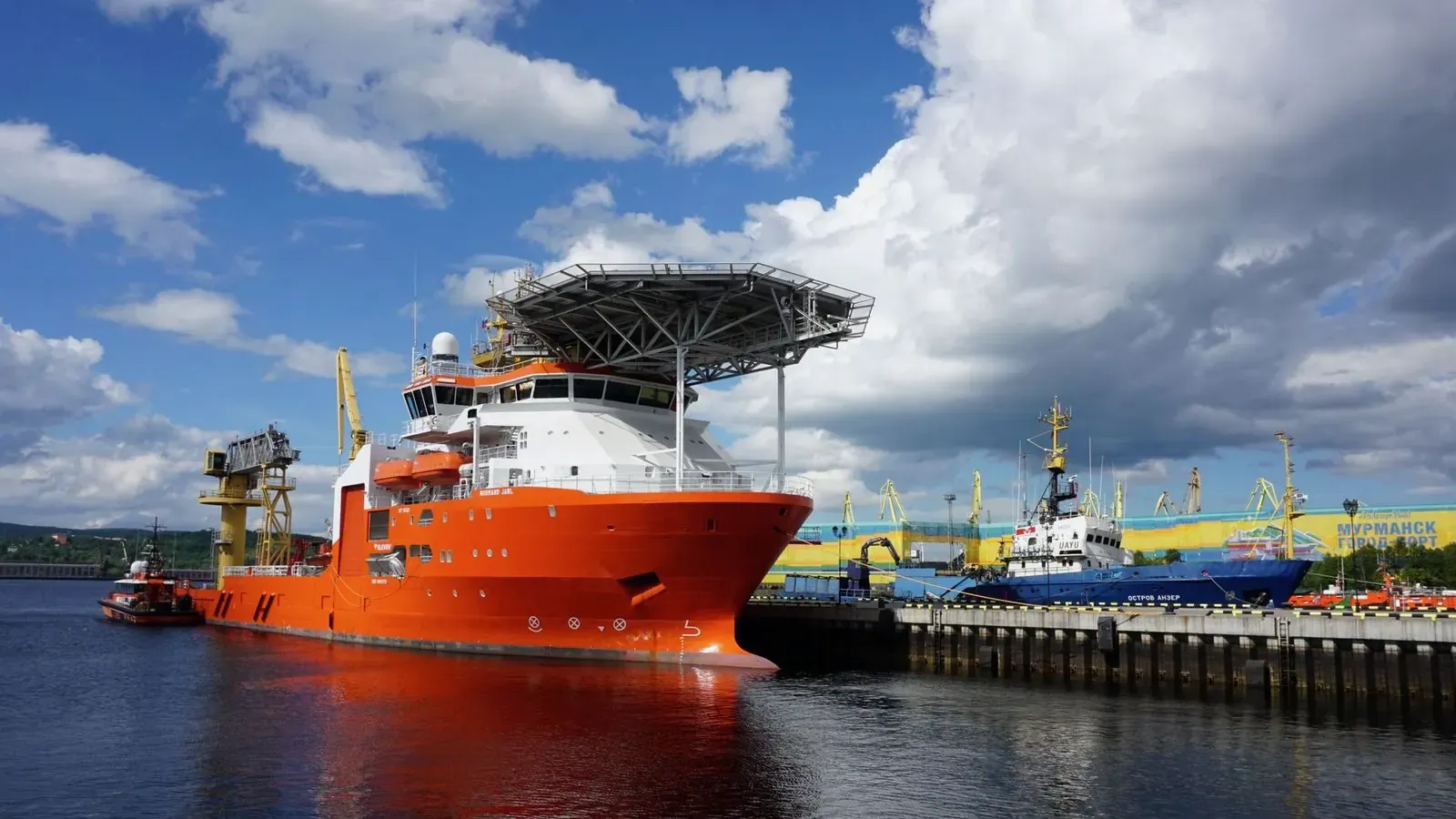
Service vessels, tugs and supply ships: network split by zone, a VPN per vessel and usage per device, with the bridge always online.
Operational comms with priority
Remote system monitoring
Access to company systems over VPN
Offshore crew welfare
Compliance
VMS, e-logbook and prior notification: what the link keeps running, and what it leaves alone
A dropped link is no excuse at inspection. The connection replaces no approved equipment — it's the channel they transmit over.
The EU Fisheries Control Regulation (EC 1224/2009, reformed by EU 2023/2842, applicable since 10/01/2026) requires VMS position reports and the electronic logbook (ERS) to be sent from sea, and the reform extends tracking and the e-logbook to every vessel length from 2028; in England, I-VMS has applied to the under-12 m fleet since 12/05/2025. Your VMS transponder and ERS software stay yours: the low-earth-orbit link is what keeps them transmitting for the whole trip, with compliance traffic prioritised over crew traffic. AIS and GMDSS are separately approved VHF and satellite equipment: they neither depend on this link nor need it.
The exact duty depends on vessel length, fishing area and flag state. We tell you what applies to each vessel in your fleet in the analysis.
VMS
Type-approved transponder (EC 1224/2009, art. 9; 2023/2842 reform applicable since 10/01/2026). The link acts as the IP channel where the unit supports it; the original satellite channel stays as backup.
E-logbook (ERS)
Mandatory at 12 m and over. From 10/01/2028 also below 12 m, in simplified form (sent before landing). Daily transmission and prior notification (1–4 h) remain duties of 12 m and over; both need a link at sea.
AIS
VHF transponder, mandatory on fishing vessels over 15 m (Directive 2002/59/EC). It doesn't use the internet: the link neither replaces nor improves it.
GMDSS
IMO-approved distress radio (SOLAS IV; by satellite, Inmarsat and Iridium). Low-earth-orbit broadband is not GMDSS equipment and doesn't count as such.
How it works
Four steps, no fine print
01
Tell us about your fleet
Number of vessels, type of fishing, grounds and what you use today to stay in touch. Free analysis, no obligation.
02
Written comparison
We propose the right plan for each vessel with the three cost items — terminal, installation and monthly fee — line by line next to what you pay today. If it doesn't add up, we say so.
03
Installation at your port
We coordinate the installation with an integrator certified in marine communication systems, at your port and during a stop you already have planned. Mounting, VMS/ERS integration, acceptance tests and a signed handover record.
04
Fleet connected, dashboard on
Up and running from day one, with access to the fleet dashboard. During trips you have one point of contact: we diagnose remotely and, if someone has to come aboard, we arrange it with the integrator at the landing port.
All of it is then managed from the fleet dashboard , included with the service.
Frequently asked questions
Does the service work offshore, in remote fishing grounds?
Yes. The maritime service operates in open ocean with global coverage through more than 6,000 low-earth-orbit satellites. It works from the Bay of Biscay to the North Atlantic, the Mediterranean or fishing grounds in the southern hemisphere.
Is it compatible with our fleet's VMS systems?
In most cases, yes. Your VMS transponder stays yours; what changes is that it can use the link as its IP channel where the unit supports it, with the original satellite channel as backup. We check it in the analysis: the integrator we coordinate has experience with the main VMS providers in the European market.
What speed can you get on a fishing vessel?
Between 50 and 220 Mbps down with 25–60 ms latency, depending on plan and area (operator's indicative figures, 2026). Enough for VMS, e-logbook, video calls and crew Wi-Fi at the same time, with compliance traffic prioritised.
How much does the service cost for a fishing vessel?
We don't publish tariffs: the operator sets the price of the terminal and the monthly fee, which depend on the plan, the number of vessels and the antenna. What you get is a written proposal with the three cost items — terminal, installation and monthly fee — next to your current VSAT, satellite-phone and mobile-data bills, using your vessels' real usage. If it doesn't add up, we tell you that too.
Is there a minimum term? Can we pause during the closed season or a refit?
The minimum term depends on the plan and goes in the written proposal. On recurring plans, the pause runs in whole months — closed season, refit, winter lay-up — against an annual allowance of days: we request it from the dashboard and the next invoice credits it. It doesn't work for odd days between trips.
What happens if there is a technical fault during a long trip?
You contact us and we coordinate the response: one point of contact. Most incidents are resolved remotely without interrupting the trip — configuration, a restart, the terminal's status; if someone has to come aboard, we arrange it with the integrator at the landing port.
Can we equip the whole fleet at once?
Yes. For multi-vessel fleets we schedule the installation in phases or all at once around trips and lay-ups. The integrator we coordinate can install at several ports at the same time.
What about Amazon Leo? Should we wait for Amazon's satellite internet?
Not if your fleet needs a link this season. Amazon Leo names commercial fishing in its February 2026 maritime agreements (MTN and ELCOME), but as of September 2026 it is still in beta with selected companies, with close to 400 satellites in orbit in July, no pricing, no ordering channel and no track record on fishing vessels. In Spain it has held a frequency authorisation since May 2026 (valid to 2031) and does not sell: launch date and prices unannounced (press estimates: 2027–2028). The low-earth-orbit service already running on your grounds is the option today.
Where is it installed? Do you coordinate installations in Vigo?
At your fleet's home port or landing port, during a stop you already have planned. PescaSat does not install: it coordinates the installation with an integrator certified in marine communication systems — in Vigo, Marín, Burela, A Coruña, Pasaia, Ondarroa, Huelva or Las Palmas as in any other port. On most vessel sizes it is up and running in one working day, with acceptance tests and a signed handover record.
When is it not worth it for me?
In four cases, and we tell you before you buy anything: if the boat works within 4G coverage and lands every day; if your only need is VMS and ERS and they already transmit without proceedings over the approved satellite channel (the gain is market and crew, and it has to be quantified); if your operation requires bandwidth guaranteed by contract (today VSAT signs that); and if you fish outside the operator's coverage. The free analysis exists to say so with your bills in front of us.
Request the free analysis for your fleet
Tell us how many vessels you run and what you use today. We'll prepare the comparison against your current bills and a written proposal, free.
Free analysis, no obligation
Reply within 24 working hours
Line-by-line comparison with today's bills
Installation coordinated at your port with a certified integrator
Installation and technical support are carried out by a certified naval communications integrator, coordinated by us from start to finish.
Still paying three bills for a link that doesn't last the trip?
Ask for the written comparison: today's bills next to low-earth orbit, vessel by vessel. If it doesn't add up, we say so.